ServicesSiding Installation
Siding Installation in Landrum
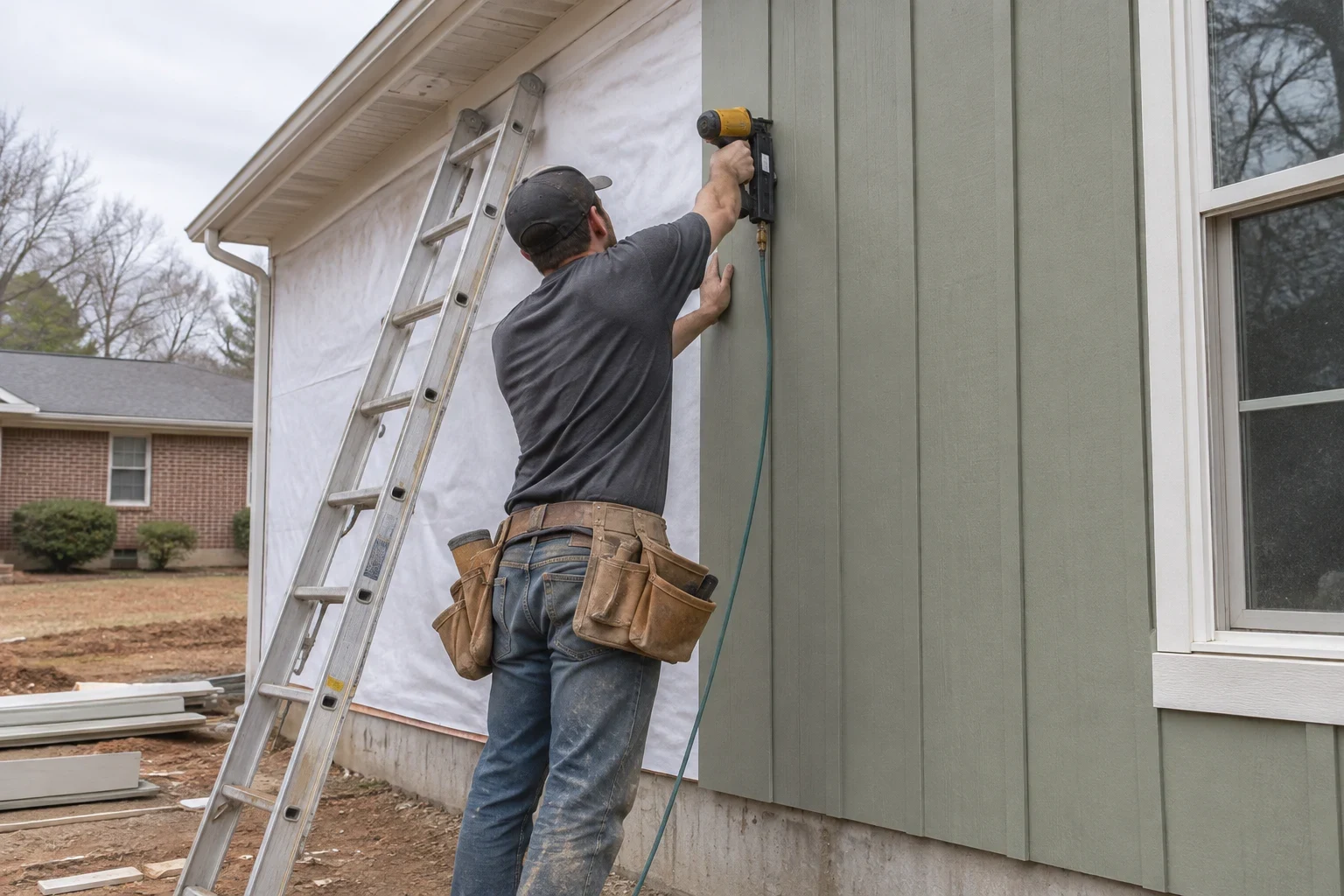
We replace tired or failing siding with fiber cement, vinyl or engineered wood, installed over sound sheathing and new weather barrier. Your beds, walkways and windows are covered while we work, and nails and offcuts are picked up before we leave each evening.
New Siding, Done From the Wall Out
Siding is only as good as what sits behind it. Before a single new board goes up, we strip the old cladding, look closely at the sheathing and framing, and fix soft or stained spots so the new exterior isn't hiding a problem. Then comes house wrap, flashing around every window and door, and the siding itself.
We install siding on new custom homes and as an exterior upgrade on existing ones. We are licensed and insured in NC and SC, so the same crew can handle a house on either side of the state line.
An exterior job puts a crew right up against your home for days at a time. We plan for that. Ground tarps go down along the foundation, shrubs get covered and tied back, and the yard is swept with a magnet at the end of each day.
What a Siding Job Includes
- Careful tear-off
- Old siding comes off in sections and goes straight into a dumpster or trailer, not into a pile on your lawn. Tarps catch the small pieces and old nails.
- Sheathing and framing check
- With the wall open, we look for rot, insect damage and loose sheathing. You see photos of anything we find and get a written price for the repair before we touch it.
- Weather barrier and flashing
- New house wrap is lapped so water runs down and out. Windows, doors and roof-to-wall joints get proper flashing, which is where most leaks behind siding actually start.
- Siding and trim installation
- Fiber cement, vinyl or engineered wood is installed with the spacing, fastening and clearances the material needs. Corners, soffits and trim are finished so the joints sit clean and straight.
- Daily cleanup and final walk
- Each evening we pick up scrap, run a magnetic sweeper over the yard and driveway, and leave walkways open. At the end we walk the house with you before the last tarp comes up.
Signs Your Siding Is Due
Soft or swollen boards
Press a board near the bottom of a wall. If it gives, or the edges have swelled and split, water has been getting in for a while.
Warped or loose panels
Vinyl that ripples in summer heat or rattles in the wind usually wasn't given room to expand when it went up, or it has simply worn out.
Stains on interior walls
Water marks around windows or peeling paint inside can trace back to failed flashing behind the siding, not the window itself.
Paint that won't hold
If you repaint every few years and it still peels, the wood underneath may be holding moisture. New paint won't fix that.
Mold or mildew that keeps returning
Green streaks on the shady side of the house are common in our humid summers. When they return right after washing, the boards are staying damp.
How Your Siding Project Runs
- 1
Project consultation
We look at the house, talk through materials and color, and note anything that will affect the work, such as tight side yards or tall gables. You get a written, line-item estimate afterward.
- 2
Site protection
On day one we set the dumpster where it won't damage your driveway, lay tarps along the foundation and cover plantings, outdoor units and anything else close to the walls.
- 3
Tear-off and repairs
We work one wall at a time so the house is never left fully exposed overnight. Damaged sheathing is replaced as we go, with your approval.
- 4
Wrap, flash and install
House wrap and flashing go on, then the new siding and trim. We check lines and reveals as we go so courses stay level around the whole house.
- 5
Cleanup and walkthrough
The dumpster leaves, the yard gets a final magnet sweep and the tarps come up. We walk the house with you and handle any touch-ups you point out.
What Shapes the Cost of New Siding
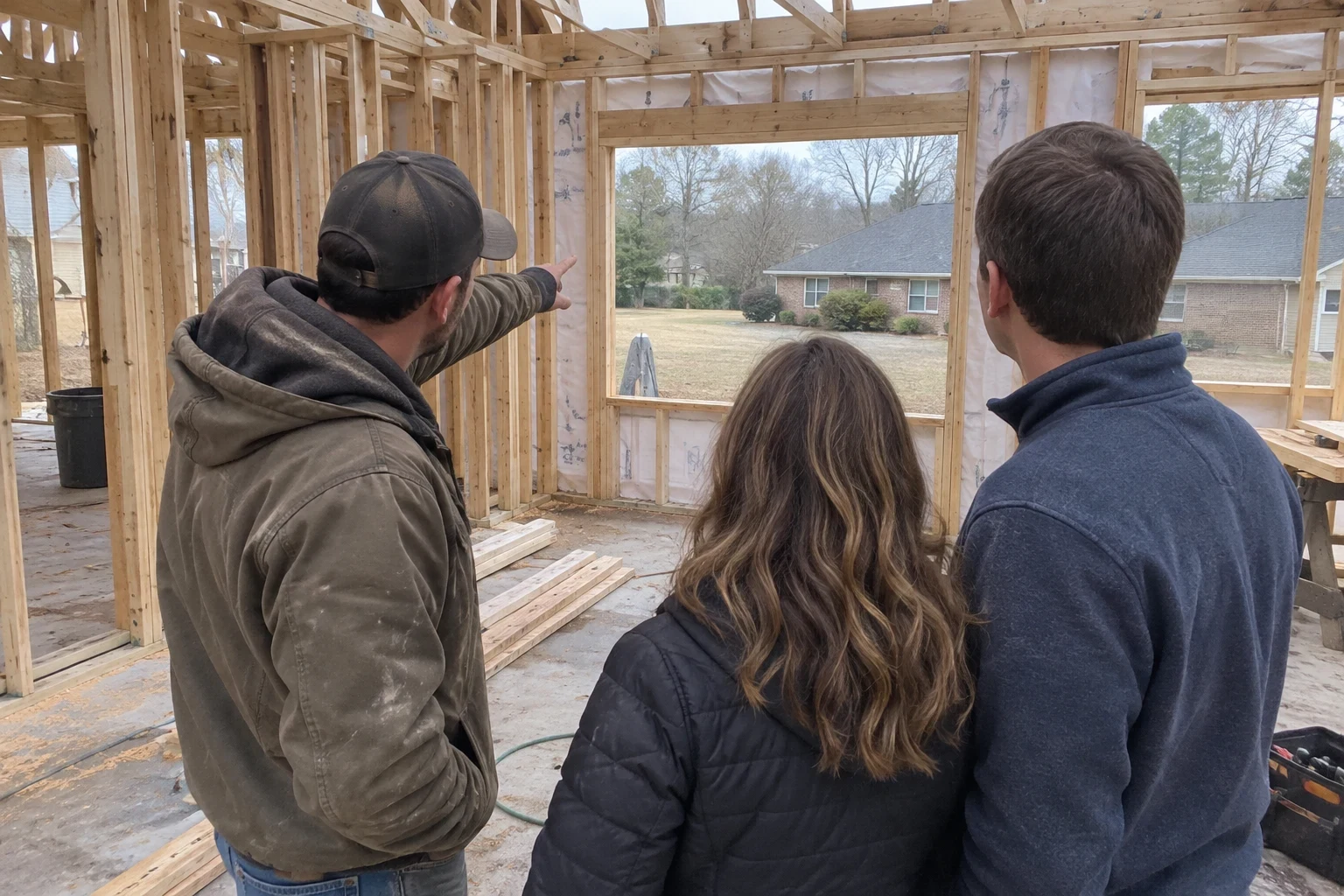
We price each house from its own walls rather than a flat figure per home. Your written estimate lists tear-off, repairs, materials and labor on separate lines, so each part of the job is easy to follow. Four things tend to make the biggest difference.
- Wall area and height
- A larger exterior takes more boards, more wrap and more hours on the wall. Tall gables and second-story walls call for scaffolding or a lift, and setting those up safely adds time to the schedule.
- Material choice
- Vinyl, engineered wood and fiber cement differ in cost, weight and how much cutting and finishing they take. Fiber cement, for example, needs dust control and more handling.
- What's under the old siding
- Rotted sheathing or framing is the biggest unknown. We price it separately once the wall is open, with photos, so nothing is folded quietly into the bill.
- Trim, windows and detail
- Lots of windows, bump-outs, corners and decorative trim mean more cuts and more flashing. A plain rectangle goes faster than a house with many angles.
Siding Questions We Hear Often
Something not covered here? (864) 754-0177
How do I choose between fiber cement, vinyl and engineered wood?
Start with how the house should look, what you want to spend and how much maintenance suits you. Fiber cement takes paint well and resists moisture and insects. Vinyl is the lower-cost, low-care option, and engineered wood brings a warmer, natural grain while weighing less than fiber cement. During the consultation we bring samples so you can compare them against your trim and roof.
Can you install new siding over the old siding?
We generally don't. Going over old siding hides any rot or failed flashing underneath and can leave trim and window depths looking off. Taking it down lets us see and fix the wall before it's covered again.
Will my yard and plants be damaged?
We work to prevent it. Beds are covered, shrubs are tied back and tarps run along the foundation to catch debris. Each evening we sweep the yard and driveway with a magnet so nails don't end up in tires or bare feet.
Do I need to be home while you work?
No, though we ask for access to outdoor outlets and water. We'll check in at the start and end of each day and call you right away if we find damage that needs a decision.
Do you work on homes outside Landrum?
Yes. We install siding in Inman, Greer, Duncan, East Flat Rock and the surrounding area. Homes on the North Carolina side of the line are part of our regular work, so crossing it is no obstacle.
Let's Look at Your Walls Together
Describe what you've noticed on the outside of the house, from soft boards to peeling paint. We'll arrange a project consultation, see the walls in person and send a written estimate afterward.